
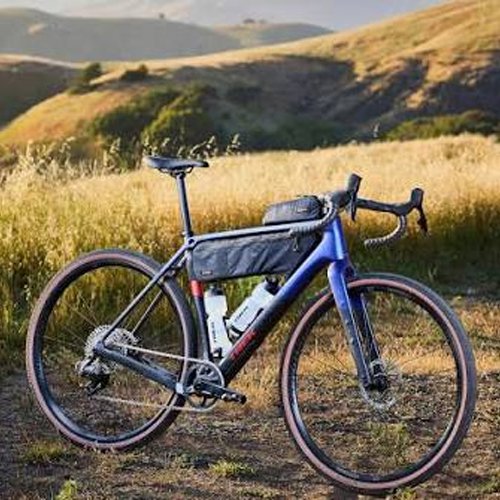
Many people ask: can a standard storage bag serve as a substitute for a professional bike frame bag during a road trip or cycling excursion? We generally advise against it. Standard bags cannot be secured to a bike as firmly as purpose-built frame bags, nor are they as lightweight or convenient to use. The advantages of using a dedicated bike frame bag go far beyond what you might expect. Today, we’ll break down what bike frame bags are, the different types available, their pros and cons, and how to choose the right one for your needs.
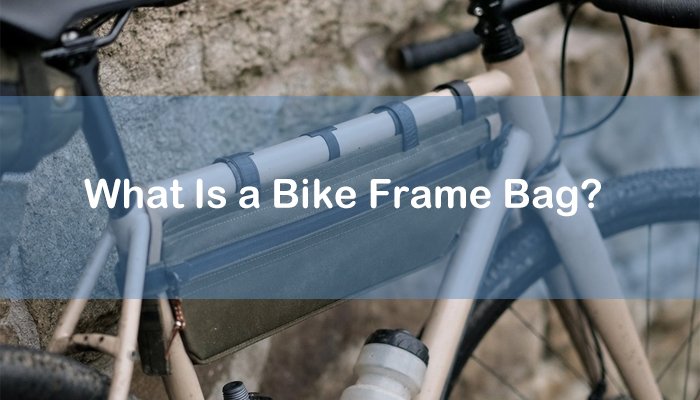
What Is a Bike Frame Bag?
A bike frame bag is a compact, portable storage bag designed to be attached to the triangular area of a bike frame using straps or Velcro. It allows you to carry items like your phone, tools, or other essentials, keeping your hands free for safe riding while maintaining the bike’s clean, streamlined aesthetic.
Types of Bike Frame Bags
To cater to the diverse needs of cyclists, manufacturers have developed bike frame bags in various configurations—ranging from small triangular bags for personal items and medium-sized “half-frame” bags, to “full-frame” bags that occupy the entire triangular space within the frame.
Wedge Bags
Wedge bags occupy only a small portion of the frame—typically the front or rear section—and are usually secured with Velcro. Their capacity is limited, making them suitable only for essential items such as a phone, keys, identification, or a water bottle.
As a compact option, their primary advantage is that they do not rub against your legs while pedaling, nor do they interfere with your riding motion or access to your water bottle cages.
Half-Frame Bags
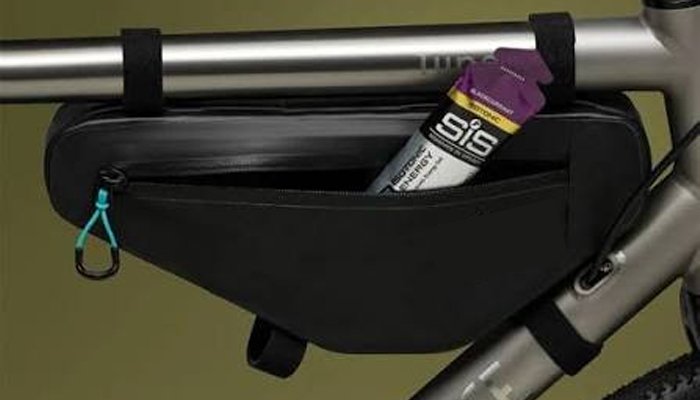
Half-frame bags are attached to the top tube and seat tube using straps, effectively hanging beneath the top tube. Some versions span only half the length of the top tube, while others extend along its entire length to maximize storage capacity.
Half-frame bags are generally designed to leave space for water bottles; depending on the size of the frame and the bag itself, they can accommodate one or even two water bottles. Half-frame bags are better suited for daily commuting and general cycling.
Full-Frame Bags
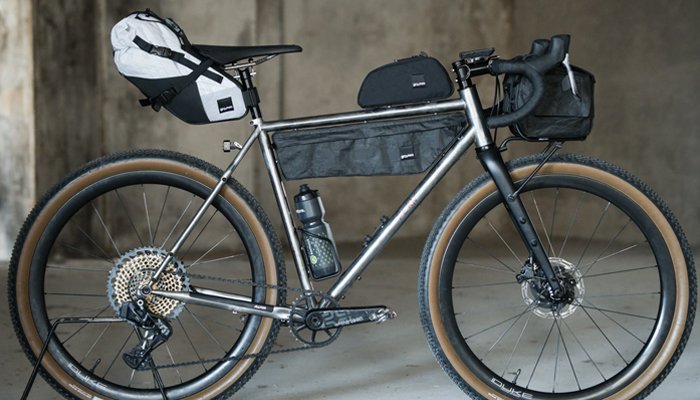
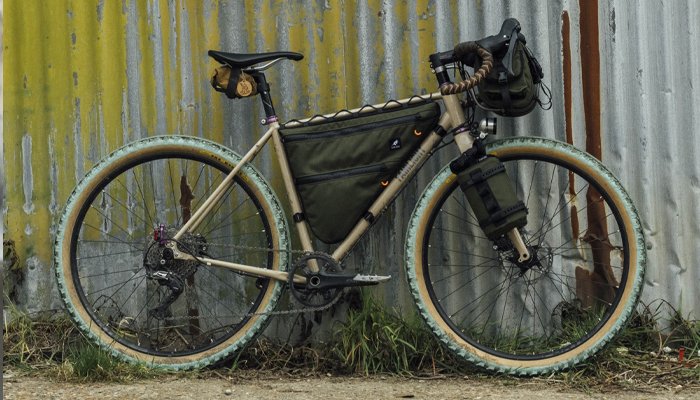
Full-frame bags occupy nearly the entire triangular area of the bike frame, offering the largest storage capacity among all types of frame bags.
To ensure a secure fit, these bags typically feature multiple attachment points—using either webbing straps or mounting holes—to connect firmly to the three tubes of the bike frame.
Because a full-frame bag takes up the entire triangular space, it is not possible to mount a standard water bottle cage. We recommend using a dedicated cycling backpack equipped with a hydration bladder and a drinking tube, allowing you to stay hydrated easily while riding.
Why Choose A Professional Bike Frame Bag?
Compared to standard storage pouches, professional bike frame bags offer several distinct advantages:
- They can be attached directly to the frame using straps or Velcro, requiring no additional mounting tools.
- Designed with a streamlined, triangular shape, they integrate perfectly with the bike frame, reducing aerodynamic drag and preventing the bag from rubbing against your legs while pedaling.
- They keep essentials—such as your phone, wallet, and tools—organized and easily accessible. Some designs even allow space for a water bottle, ensuring you can stay hydrated on the go.
- They are typically constructed from waterproof materials (such as PU or TPU), effectively protecting the contents from rain and sweat.
- They come in a wide variety of styles and sizes, making them compatible with many different types of bikes.
Choosing the Right Bike Frame Bag Size
USL offers customizable bike frame bag sizes, ranging from 1L to 6L. Below are the types of items that can be stored in bike frame bags of various sizes:
| Capacity | What It Holds | Best For |
| 1L | Phone, keys, cards, cash, energy gels, spare folding inner tube | Short commutes, road riding |
| 2L | Phone, power bank, gloves, sunglasses, flashlight, mini pump | Daily commuting, short trips |
| 3L | Phone, power bank, gloves, sunglasses, mini pump, energy snacks, small first-aid kit, packable windbreaker | Longer commutes, half-day rides |
| 4L | Phone, power bank, gloves, sunglasses, mini pump, energy snacks, small first-aid kit, lightweight rain jacket or thin fleece | Full-day rides, lightweight overnight trips |
| 5L | Phone, power bank, gloves, sunglasses, mini pump, energy snacks, small first-aid kit, toiletry bag, change of clothes | Long-distance riding, overnight bikepacking |
| 6L | Phone, power bank, gloves, sunglasses, mini pump, energy snacks, small first-aid kit, toiletry bag, change of clothes, lightweight hydration bladder or camping gear | Long-distance adventure riding, multi-day bikepacking |
How to Choose a Bike Frame Bag?
Beyond personal preference, selecting a bike frame bag requires considering several factors, including material, fit, capacity, width, attachment system, and internal organization. Details are provided below.
Material
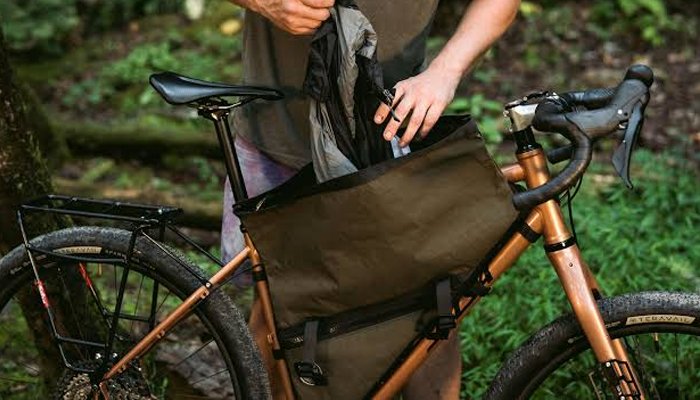
Bike frame bags are mostly used for outdoor road trips or commuting, they must be made from waterproof and durable materials. It is best to avoid overly rigid fabrics; our real-world testing has shown that your legs will inevitably come into contact with the bag, leading to friction.
After testing various materials, we found that ripstop nylon with a PU or TPU coating is an excellent solution—it ensures durability while maintaining the necessary flexibility. Incorporating an additional PU or TPU waterproof membrane on the inside can further enhance the water resistance of a frame bag.
Adding reflective elements to the bag’s exterior improves visibility and safety while riding.
Compatibility
The size of the triangular space within a bike frame varies significantly between different bikes; therefore, a randomly chosen bike frame bag may not fit your bike perfectly. Before making a purchase, check your frame’s dimensions and compare them with the bag’s specifications to ensure it fits correctly and can be securely fastened to the frame with straps.
USL offers a variety of frame bag sizes to accommodate different frame dimensions, including wedge bags, half-frame bags, and full-triangle frame bags. We also provide customization services, allowing us to tailor frame bags to specific bike models based on your required dimensions and specifications.
Capacity
The capacity of a bike frame bag determines its storage space.
- A 1L bike frame bag is suitable only for small items like a smartphone, energy gels, or keys; it is lightweight and easy to carry.
- A 1–3L half-bike frame bag is ideal for most use cases and is the most practical choice. It can hold a smartphone, keys, a power bank, some food, and a lightweight raincoat, while still leaving room for a water bottle cage.
- A 3–6L full-bike frame bag offers a larger capacity, accommodating not only cycling essentials but also tool kits, emergency/first-aid kits, and more. However, since it occupies nearly the entire triangular frame area, you will need an alternative hydration solution (such as a hydration bladder).
During one-day cycling excursions, the USL product team tested frame bags of various capacities. We found that a 3L frame bag is the best choice for such rides: it provides ample storage without bulging or causing friction, leaves space for a water bottle cage, and does not add unnecessary burden to the ride.
Width
To prevent the legs from bumping into the bag while pedaling, manufacturers typically design bike frame bags to be very slim. You can choose between bags with flexible, soft sides or those with a rigid, hardened structure—each offering its own distinct advantages.
We tested two types of bike frame bags: one with soft sidewalls and one with semi-rigid sidewalls. When packed with a significant amount of gear, the soft-sided version tends to bulge, which can lead to the bag making contact with your knees while pedaling. In contrast, the semi-rigid version maintains a slim profile even when fully loaded—a better choice for cyclists with a narrow stance or those whose knees tend to track inward while pedaling.
Attachment Systems
Velcro straps are a common method for securing bike frame bags. They offer a quick, adjustable attachment solution and are cost-effective, making them an ideal choice for budget-conscious customers. However, keep in mind that Velcro can lose its adhesive strength over time, potentially rendering the entire bag unusable.
Bungee cords can be used either on their own or in combination with Velcro to provide extra stability, ensuring the bag stays securely in place even on rough terrain or after long-term wear. Typically, a bike frame bag is secured to the top tube using two or three bungee cords, while additional, longer straps are provided for the down tube and seat tube—allowing for easy adjustment to ensure a proper fit on the bike frame.
Some bike frame bags utilize bolt-on mounts or magnetic fasteners, which offer a cleaner, more streamlined look. That said, some of my clients have noted that these systems are less secure than straps or Velcro and come at a higher cost; they are generally best suited as an optional feature for frames that already include dedicated mounting points.
Storage Systems
While bike frame bags may not offer as much capacity as a cycling backpack, they are still well-equipped for organization. Most have internal dividers, which prevent items from settling at the bottom and causing the bag to sag. Flat, internal pockets are perfect for storing thin items like identification or cash, keeping them easily accessible. Zippered pockets provide added security, ensuring that contents don’t fall out when riding over bumpy terrain.
Some bike frame bags also include features such as cable ports, external slip pockets, or routing ports for hydration tubes.
In short, a high-quality frame bag is one of the most essential pieces of gear for bike touring. It must be robust, durable, and designed to fit your bike perfectly. If you require a custom frame bag—tailored to specific dimensions or shapes—please get in touch with USL. We bring years of experience in manufacturing outdoor bags, including a specialized range of bike frame bags.
If you are attending the ISPO trade show, be sure to visit our booth (5G110, Hall 5), where we are showcasing our frange of bike frame bags!