
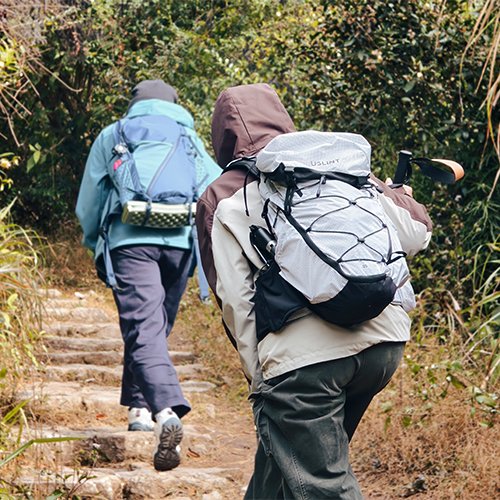
As backpack manufacturers, we place great importance on the carrying experience; the USL team frequently tests product performance firsthand during activities like hiking, traveling, and mountaineering. Through actual testing and client consultations, we have identified five key factors that truly determine the carrying experience: size, weight, fit, carry system, weather resistance and functional structure. In the post, we share how to select the right backpack based on these five points.
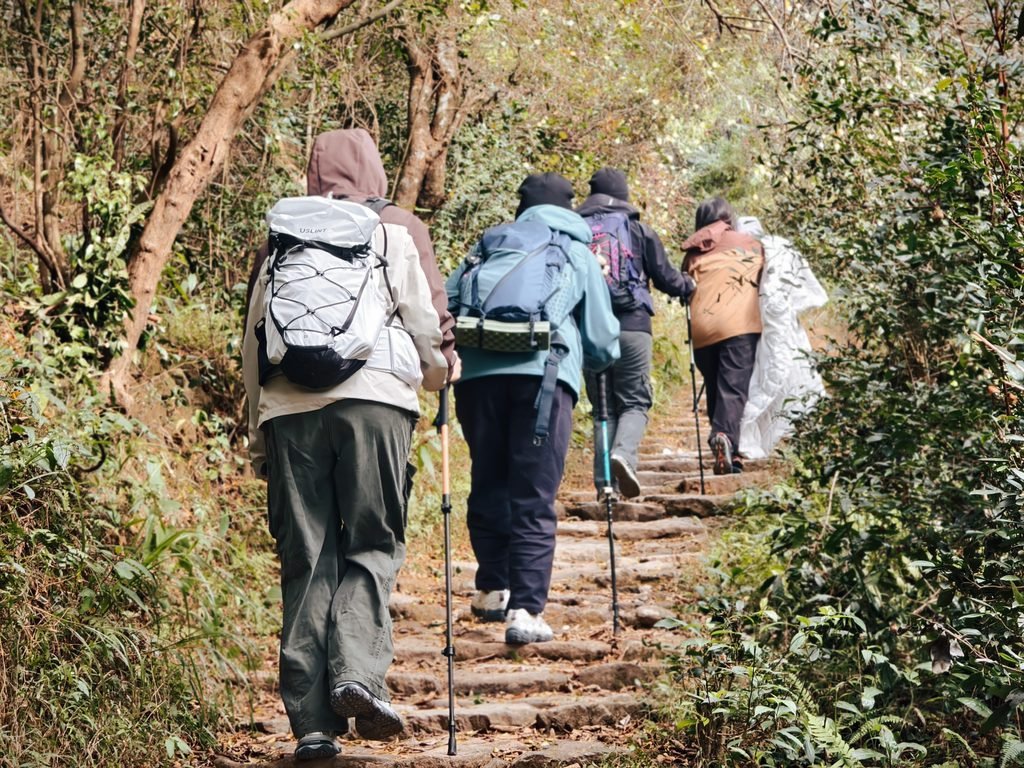
Size and Capacity
Most people do not buy a backpack for just one specific use or scenario. To ensure the pack remains useful in the future, choosing a slightly larger size is often the better option. So, how exactly do you choose the right size?
Ensure the backpack can hold all your essentials. If you find yourself needing to strap a lot of gear to the outside, it means the backpack’s capacity is too small. Furthermore, items attached to the exterior are prone to getting scratched, getting wet, or even being lost.
It is necessary to leave some extra room, but don’t overdo it; modern gear is becoming increasingly lightweight and compact, and collapsible designs can save a significant amount of space.
| Real-World Use Case | Common Capacity | What It Needs to Hold |
| Commuting, single-day hiking, gym | 10–30 L | Water, outer layer, food, laptop or shoes |
| Winter single-day hiking | 30–40 L | Insulation layer, spare clothing, thermos, emergency gear |
| Weekend to multi-day loaded hiking | 40–60 L | Tent, sleep system, food, stove |
| Long-distance trips and expeditions | 60 L+ | All of the above, plus technical gear or survey equipment |
| Trail adventure races, mountain marathons | 20–35 L | Mandatory gear only, light and fast |
Weight
When choosing a backpack, consider both its empty weight and the weight of the load you will carry. The total load should not exceed 20% of your body weight; otherwise, it can easily lead to physical fatigue.
While lighter backpacks may offer a more comfortable carry, they might require sacrificing some performance features. For instance, they may use lighter fabrics—such as 210D nylon—while also reducing reinforcement points, omitting abrasion-resistant layers, and simplifying the suspension system. These lightweight backpacks are ideal for day hikes requiring minimal gear; however, carrying heavy loads necessitates more durable fabrics and specialized load-bearing systems, both of which add weight to the backpack.
Measuring Torso Length for a Proper Fit
Choosing a pack size based solely on height is a common mistake. REI’s official sizing guidelines identify two key measurements: torso length and waist size. So how to measure your backlength?
Measure along the natural curve of your spine from the seventh cervical vertebra (the prominent bony bump at the base of your neck) down to the top of your hip bones (iliac crest).
If the measured torso length is too short, the hip belt will ride up, shifting weight that should be supported by your hips onto your shoulders. If the measurement is too long, the pack will pull away from your spine, causing instability while walking. It is best to have someone assist you and to take the measurement multiple times.
Carry System
The majority of the backpack’s weight should be borne by your hips, not your shoulders or waist. Adjusting the suspension system ensures even weight distribution, relieves shoulder strain, and enhances comfort.
- Adjustable hip belt: Ensures the backpack fits snugly against your body and sits above the hip bones, transferring the load to your hips.
- Shoulder straps: Keep the backpack close to your back. They stabilize the load but should not bear the weight.
- Load-lifter straps: Pull the top of the backpack toward your upper back to improve balance. Make only minor adjustments; an angle of approximately 45 degrees is ideal.
- Sternum strap: Prevents shoulder straps from slipping outward. It does not bear weight but helps maintain stability when walking on uneven terrain.
When adjusting the suspension system, follow the order: hip belt first->shoulder straps->load-lifter straps. After adjusting, walk around with the pack on to ensure there is no discomfort when leaning forward or stepping up and down.
Weather Resistance
Most backpacks are made from water-repellent or waterproof fabrics, with seams and zippers designed to minimize water ingress, ensuring usability across various weather conditions and greatly enhancing versatility. Additionally, features such as waterproof liners and roll-top closures further boost water resistance, effectively protecting your gear from the rain.
Functionality
You should choose a backpack based on the intended use case. For example:
- Day-hike & Commuting Backpacks: Lightweight, quick-access pockets, hydration bladder sleeves.
- Hiking & Multi-day Load-Carrying Backpacks: Load-bearing frames, compression straps, removable top lids, rain covers.
- Cycling & Hydration Backpacks: Lightweight, body-hugging fit, hydration bladders.
- Running Vests: Close-fitting and breathable, quick-access pockets, soft flask pockets.
Backpacks with detachable components or expandable designs offer greater flexibility and a wider range of uses.
These are some practical tips for choosing the right backpack. If you have any other ideas or additions, please feel free to leave a comment below. USL specializes in custom manufacturing outdoor, sports, and casual backpacks for global brands. If you have any ideas for custom backpacks, please contact us—we are ready to provide you with professional customization solutions!